

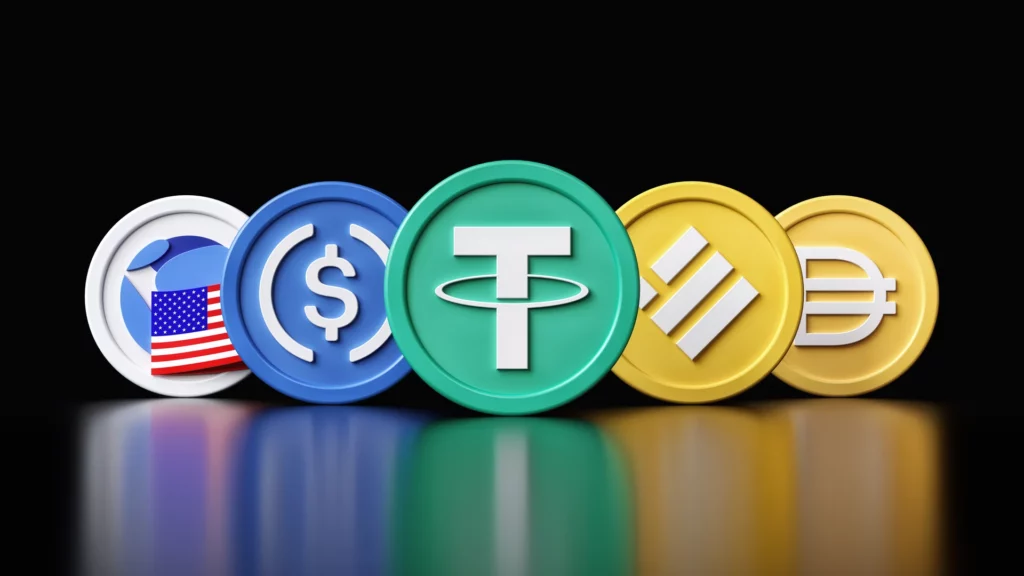
The cryptocurrency market has matured rapidly, and one of its most important innovations is the rise of stablecoins. Unlike volatile cryptocurrencies like Bitcoin and Ethereum, stablecoins are designed to maintain a predictable value. Among them, two models dominate: gold-backed stablecoins and fiat-backed stablecoins. Both aim to deliver price stability, but their mechanisms, reserve structures, and long-term reliability differ. Let’s explore how each works — and which might offer true stability
Understanding Stablecoins
A stablecoin is a digital asset pegged to a stable reference, such as gold or the US dollar. This pegging mechanism minimizes volatility, making stablecoins attractive for investors seeking safer exposure to digital assets. Stablecoins are important because they act as a bridge between the traditional financial world and decentralized finance (DeFi). They allow investors to hold digital assets without being exposed to extreme price swings, making them useful for remittances, payments, and as collateral in blockchain-based lending.
Two Primary Types:
- Gold-Backed Stablecoins – tied to the value of gold reserves validated under industry standards.
- Fiat-Backed Stablecoins – pegged to traditional government currencies like USD or EUR.
Gold-Backed Stablecoins: Stability Through Precious Reserves
Gold has been a recognized store of value for millennia. Gold-backed stablecoins bring this timeless hedge into digital finance by anchoring their value to independently verified gold reserves.
How They Work
Instead of relying on vault-stored bars, leading gold stablecoins are backed 5:1 by NI 43-101 verified in-situ gold reserves. Each token reflects real gold reserves confirmed through independent geological reports. Valuation is transparent: priced at the LBMA PM spot rate +2% premium, ensuring every token tracks global benchmarks with a consistent adjustment. This approach blends traditional commodity valuation with blockchain transparency, offering investors a more trustworthy digital asset.
Benefits
- Intrinsic Value – Gold reserves validated under NI 43-101 standards ensure tokens represent tangible in-situ gold, not paper promises. Unlike fiat currencies, gold cannot be printed at will, giving these tokens scarcity and real-world weight.
- Inflation Hedge – Gold often retains value when fiat depreciates. For investors concerned about the long-term devaluation of paper currencies, gold-backed stablecoins serve as a digital hedge that aligns with centuries of financial history.
- Transparency & Proof – With proof-of-reserves and independent audits, investors can verify backing with confidence. This not only builds trust but also reduces counterparty risks associated with centralized issuers.
Challenges
- Liquidity – While increasingly tradable, gold-backed tokens may still have fewer exchange pairs than fiat-backed options. Some platforms are beginning to expand listings, but adoption is still growing.
- Storage & Security Costs – In-situ gold reserves must be validated and monitored, and audit procedures add extra cost compared to purely digital fiat pegs.
- Market Fluctuations – Gold is stable long term but can move with global conditions, affecting token value. For example, during economic booms, demand for gold may weaken, while in recessions, its value often rises.
Fiat-Backed Stablecoins: Pegged to Currency
Fiat-backed stablecoins are the most widely used, pegged to traditional currencies like USD at a 1:1 ratio. Examples include Tether (USDT) and USD Coin (USDC).
How They Work
Issuers hold reserves of fiat currency or cash equivalents in regulated financial accounts. Each token corresponds to a unit of currency in reserve, ensuring predictable short-term value. These reserves are often held in government bonds, commercial paper, or cash, though transparency varies widely by issuer.
Benefits
- High Liquidity – Widely accepted on exchanges and platforms for trading and payments. Fiat-backed stablecoins power most of the daily volume in crypto markets, making them essential for traders.
- Ease of Use – Pegged to trusted fiat currencies, they are straightforward for daily transactions. Businesses and individuals can use them for payroll, remittances, and cross-border transfers without worrying about volatility.
- Short-Term Stability – Fiat-backed stablecoins maintain predictable value in volatile markets, acting as a digital “cash” reserve for crypto participants.
Challenges
- Inflation Risk – Fiat currencies lose value over time, eroding long-term purchasing power. A token pegged to USD inherits the dollar’s weaknesses, including exposure to monetary policy decisions.
- Centralization – Controlled by issuing companies, requiring user trust in proper reserve management. History shows controversies, such as questions around Tether’s reserves, highlight this risk.
- Regulatory Exposure – Governments are tightening oversight, which could affect usage and compliance. Stricter rules may introduce delays, additional reporting, or even legal challenges for certain issuers.

Comparing Gold vs. Fiat Stablecoins
| Factor | Gold-Backed Stablecoins | Fiat-Backed Stablecoins |
| Stability | Anchored to NI 43-101 verified gold reserves, valued at LBMA PM +2%. | Pegged to fiat currencies, exposed to inflation. |
| Liquidity | Growing but less liquid across exchanges. | Highly liquid, widely integrated. |
| Regulation | Commodity-based, with less direct fiat oversight. | More heavily regulated. |
| Volatility | Long-term stable but reflects gold market moves. | Short-term stable, long-term inflation risk. |
This comparison shows that while fiat-backed stablecoins dominate current usage due to liquidity, gold-backed models are gaining ground as more investors look for alternatives with intrinsic value. Both approaches fill different roles in a portfolio.
Which Offers True Stability?
- For long-term investors and inflation protection: Gold-backed stablecoins offer stronger foundations, with real reserves independently confirmed and valued against global benchmarks. Their scarcity and proof-of-reserve mechanisms make them more attractive to those worried about fiat devaluation.
- For active traders and everyday payments: Fiat-backed stablecoins provide superior liquidity and convenience. Their widespread adoption means they are essential for exchanges, DeFi protocols, and digital commerce.
Ultimately, “true stability” depends on your investment goals. If you want a hedge against inflation and a connection to intrinsic assets, gold-backed models stand out. If you need speed, liquidity, and fiat equivalence, fiat-backed tokens are better suited.
Conclusion
Both gold and fiat-backed stablecoins bring stability to crypto, but in very different ways. Gold-backed stablecoins, secured 5:1 by NI 43-101 verified gold reserves and priced at LBMA PM +2% premium, offer transparency and intrinsic value. Fiat-backed stablecoins, on the other hand, provide unmatched liquidity and usability but carry inflation and regulatory risks.
By understanding the mechanisms behind each, investors can choose the model that aligns with their risk profile and financial goals. For many, the smartest approach may be diversification — using fiat-backed stablecoins for daily liquidity needs while holding gold-backed tokens for long-term security.